
Confidence and Self Belief/Image
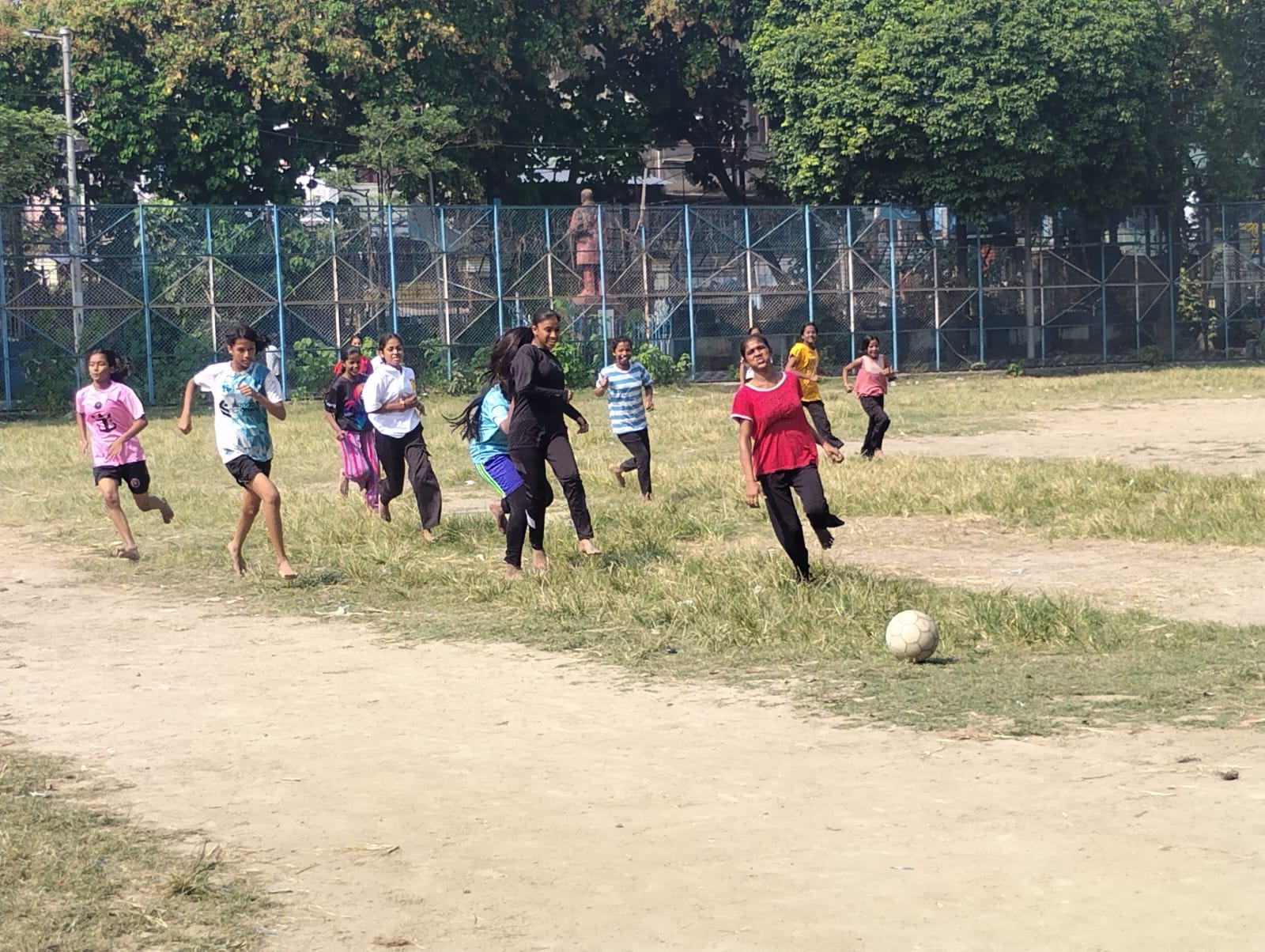
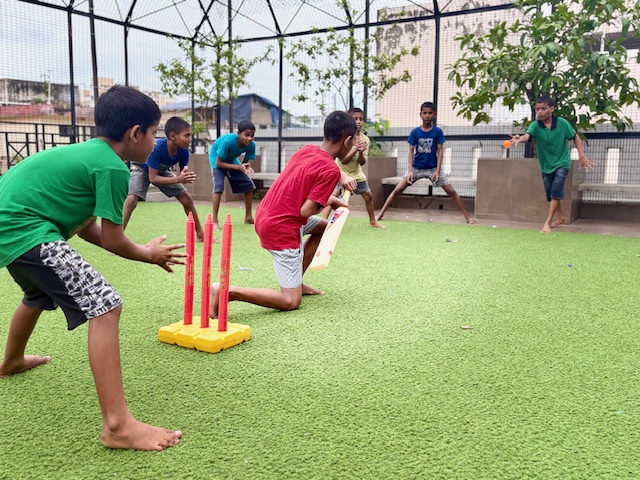
Play is a fundamental driver of a child’s psychological development. It acts as a natural laboratory where children take risks, experiment, and learn their own capabilities, directly shaping their confidence, self-belief, and self-image.
While this applies to all children, irrespective of their developmental conditions, play provides unique, life-altering benefits to specific groups:
Underprivileged Children: It offers a vital space of agency and control that theirdaily environments may lack. Overcoming challenges on the playground replaces aninternalized sense of deprivation with tangible proof of competence and social worth.
Neurodivergent Children (Autism, ADHD, etc.): It provides a pressure-freeenvironment focused on strengths rather than limitations. Self-directed, low-stakes play builds organic social comfort, self-regulation, and emotional resilience without the fear of "wrong answers."
Differently-Abled Children: Adaptive and inclusive play shifts the focus from physical or cognitive barriers to possibilities. Participating as equals counters isolation, redefines personal milestones based on individual progress, and fosters mutual respect among peers.
The Bottom Line: In play, children aren't pretending to be capable—they are practicing being capable. Safe, inclusive play gives every child the ultimate tool to realize their own worth and potential.
Physical and Mental well-being:
Underprivileged Children: It offers a vital space of agency and control that their daily environments may lack. Overcoming challenges on the playground replaces an internalized sense of deprivation with tangible proof of competence and social worth.
Neurodivergent Children (Autism, ADHD, etc.): It provides a pressure-free environment focused on strengths rather than limitations. Self-directed, low-stakes play builds organic social comfort, self-regulation, and emotional resilience without the fear of "wrong answers."
Differently-Abled Children: Adaptive and inclusive play shifts the focus from physical or cognitive barriers to possibilities. Participating as equals counters isolation, redefines personal milestones based on individual progress, and fosters mutual respect among peers.
The Universal Impact
Mechanism How It Works Impact on Self-Belief Trial-and-Error Trying, failing, and adapting without formal judgment. Shifts the mindset from "I can't" to "I can learn."
Social Risk-
Taking Negotiating rules and sharing roles in a group. Teaches children that their voice matters.
Mastery
Experiences The pure joy of physically or mentally mastering a skill. Creates a baseline memory of personal success.
The Bottom Line: In play, children aren't pretending to be capable—they are practicing being capable. Safe, inclusive play gives every child the ultimate tool to realize their own worth and potential.
Team work and social skills:
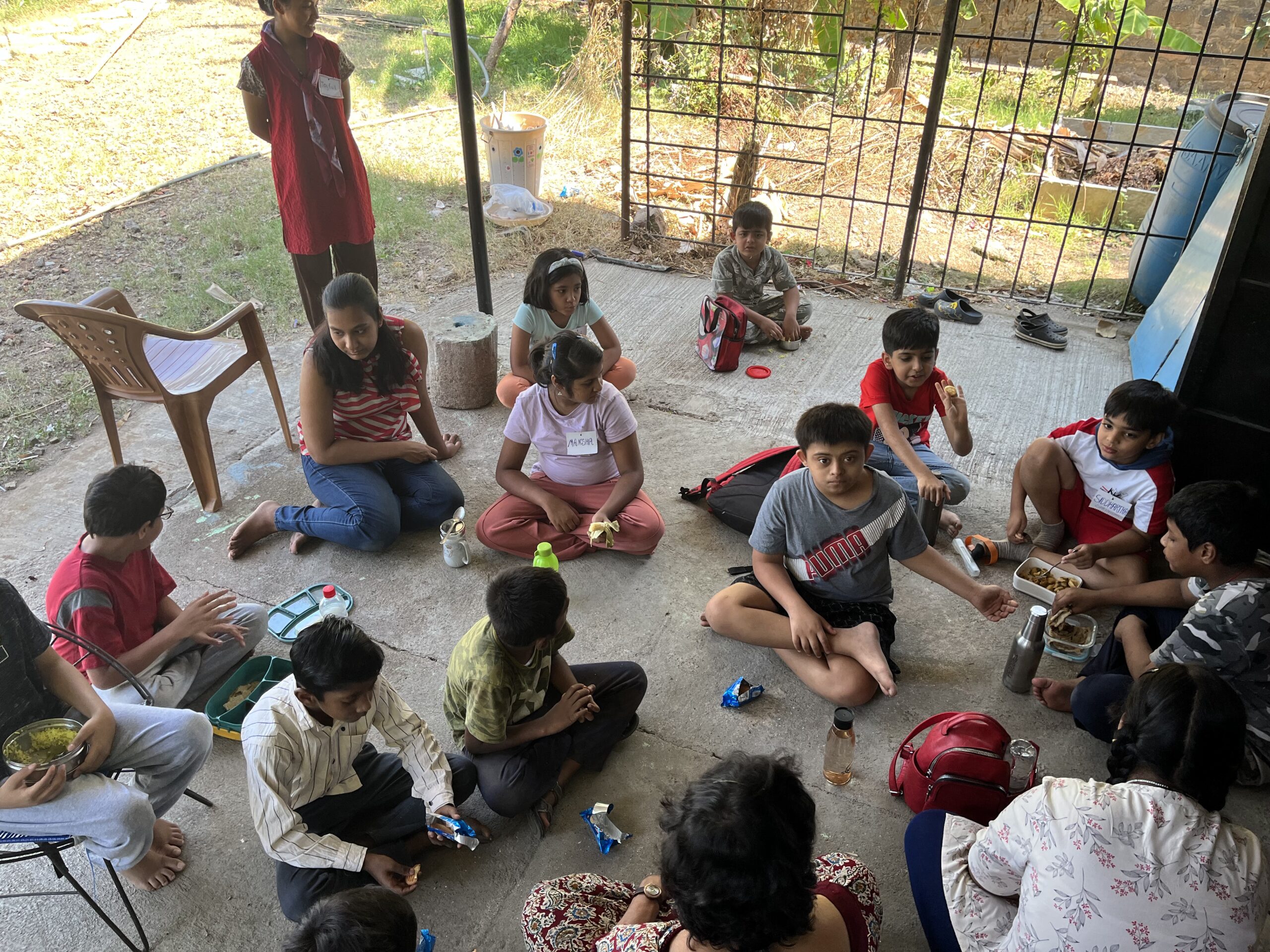
Play acts as a universal equalizer on the playground. When children engage in play together,
language, socio-economic background, and developmental conditions fade into the
background, replaced by a shared goal and a common language of fun.
Here is how play naturally cultivates teamwork and social skills for all children, irrespective
of their conditions:
1. Navigating Social Rules and Cooperation
Every game, whether it is a structured match of football or a spontaneous game of make-
believe, requires a set of rules. To keep the play going, children must cooperate.
The Art of Negotiation: Children learn to discuss, argue, compromise, and agree on
rules (e.g., "Who goes first?" or "What are the boundaries?"). This builds vital
communication skills and teaches them to respect opinions different from their own.
Perspective-Taking (Empathy): During imaginative or cooperative play, children
naturally learn to step into someone else’s shoes. Understanding a teammate’s position
on the field or a peer's role in a game builds foundational empathy.
2. Breaking Barriers for Specific Groups
Play provides a unique, non-threatening platform where diverse groups of children can
connect organically.
For Neurodivergent Children: Traditional, highly verbal conversations can
sometimes feel overwhelming. Play introduces "parallel" or "shared-object"
interaction. Sharing a ball, building a block tower, or passing a token allows
neurodivergent children to participate and bond with peers through action rather than
intense verbal demands, lowering social anxiety.
For Underprivileged Children: Playgrounds create a space where social hierarchies
disappear. A child is recognized and valued by their peers for their effort, fairness, and
collaborative spirit, rather than their background. This fosters a deep sense of social
belonging and worth.
For Differently-Abled Children: Inclusive or adaptive play environments shift the
focus toward what everyone can do together. When a game is modified so everyone
can participate, it teaches neurotypical and able-bodied peers how to adapt, cooperate,
and support, while ensuring differently-abled children feel like vital, core members of
the team.
Discipline and Life skills:
Play is often seen as a carefree activity, but beneath the surface, it serves as a child’s very first
training ground for structural discipline and practical life skills. On the playground or in a
game room, the motivation to keep playing is so strong that children willingly submit to
rules, manage their impulses, and cooperate with others.
This experiential learning builds crucial life skills for all children, irrespective of their
developmental conditions, background, or current state.
1. Cultivating Internalized Discipline (Not Enforced Compliance)
Traditional discipline is often top-down—imposed by adults through instructions and
restrictions. Play, however, fosters self-discipline, which is internalized and long-lasting.
Voluntary Adherence to Rules: Whether it is a highly structured traditional sport
like kabaddi or a simple game of hide-and-seek, the game stops working if the rules
are broken. Children learn to self-regulate, wait their turn, and play within boundaries
because they want the game to continue.
Impulse Control and Delayed Gratification: Waiting for a turn, holding a position,
or passing a ball instead of running with it requires high levels of emotional and
physical control. Play gives children a safe, engaging space to practice controlling
their immediate impulses.
The Discipline of Practice: To get better at a game or master a physical skill,
children naturally engage in repetition. This teaches them the direct connection
between focused effort, practice, and personal progress.
2. Building Core Life Skills Across Diverse Realities
Because play is dynamic and unpredictable, it forces children to adapt, creating a rich
foundation of core life skills that translate directly into adulthood.
For Underprivileged Children (Resilience & Resourcefulness): Children in
resource-constrained environments often excel at improvised play—creating games
with minimal equipment or adapting spaces. This fosters incredible resourcefulness,
creative problem-solving, and resilience. It teaches them how to navigate scarcity
with agility and confidence.
For Neurodivergent Children (Executive Functioning & Boundaries): Play
naturally exercises executive functions like planning, working memory, and cognitive
flexibility. Following the steps of a game or navigating the social boundaries of a play
group helps neurodivergent children practice structural routines and understand
personal and peer boundaries in a fluid, low-pressure environment.
For Differently-Abled Children (Adaptability & Goal Setting): Engaging in
adaptive play requires a focus on modifications and solutions. This builds a mindset
centered on adaptability—learning to say, "I may need to do this differently, but I can
still achieve the goal." It fosters realistic, independent goal-setting and a profound
sense of self-reliance.
3. The Life-Skills Framework Built Through Play
Core Life Skill How Play Develops It Real-World Application
Frustration
Tolerance
Coping with a lost point, a
bad pass, or losing a game.
The ability to bounce back from
failures and setbacks in school
and life.
Strategic
Thinking
Evaluating a situation mid-
game and changing tactics
to succeed.
Decision-making, risk
assessment, and long-term
planning.
Accountability &
Fairness
Owning up to a foul or
accepting a referee/peer
decision.
Developing personal integrity,
ethical behavior, and respect for
justice.
Leadership &
Followership
Alternating between
leading a team and
supporting another leader.
Understanding civic
responsibility, teamwork, and
organizational dynamics.
The Core Reality: Discipline is not the absence of freedom; it is the mastery of self.
Through play, children are not just following orders; they are actively choosing structure,
navigating complex human interactions, and mastering the exact life skills required to
navigate a diverse, unpredictable world with dignity and competence.